How landscapers actually get found
Most landscaping jobs still start the same way: someone sees a yard they like, or a lettered truck parked on their street, and then they pull out their phone. What happens next is the part your website controls. If they find real photos of real jobs and an easy way to ask for a quote, you’re on the shortlist. If they find a stock photo and a contact form that wants their life story, they keep scrolling to the next company.
Timing matters more in this trade than most. Homeowners start searching for spring work while there’s still snow on the ground, and fall cleanups get booked while it’s still August. Your site has to be ready before the season starts, not during it, which is also why the off-season is usually the right time to build one.
And more of those searches don’t end on Google anymore. People now ask AI assistants who they should call, and those tools recommend sites they can actually read and verify. That’s a structural thing, built into the site from day one, and most landscaper websites don’t have it yet.
Three things a landscaper’s website has to do
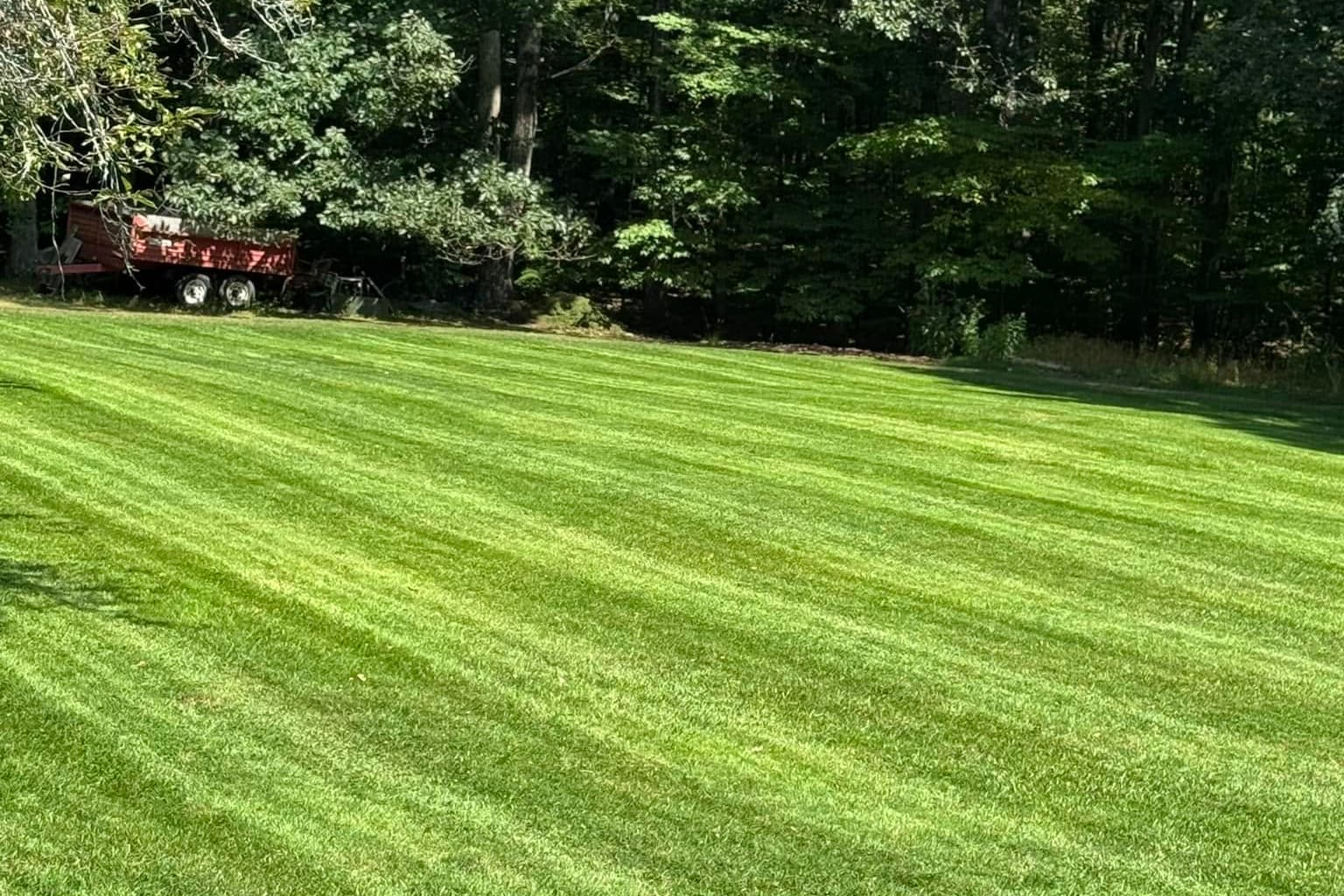
Show the work before anything else. A before-and-after gallery built from your real job photos, front and center, loading fast on a phone with two bars of signal. Not stock photography. Homeowners can tell, and the moment they suspect a photo isn’t yours, they doubt everything else on the page.
Make asking for a quote almost effortless. A click-to-call number in the header, a short form that takes a minute, and the option to just text over a few photos of the yard. That last one converts people who were never going to fill out a form, and in my experience with this trade there are a lot of them.
Show up where neighbors actually look. Local search results, the map pack, and now AI answers. That takes proper page structure, service schema, and content written for the questions homeowners actually ask, not just a homepage with your town name on it.